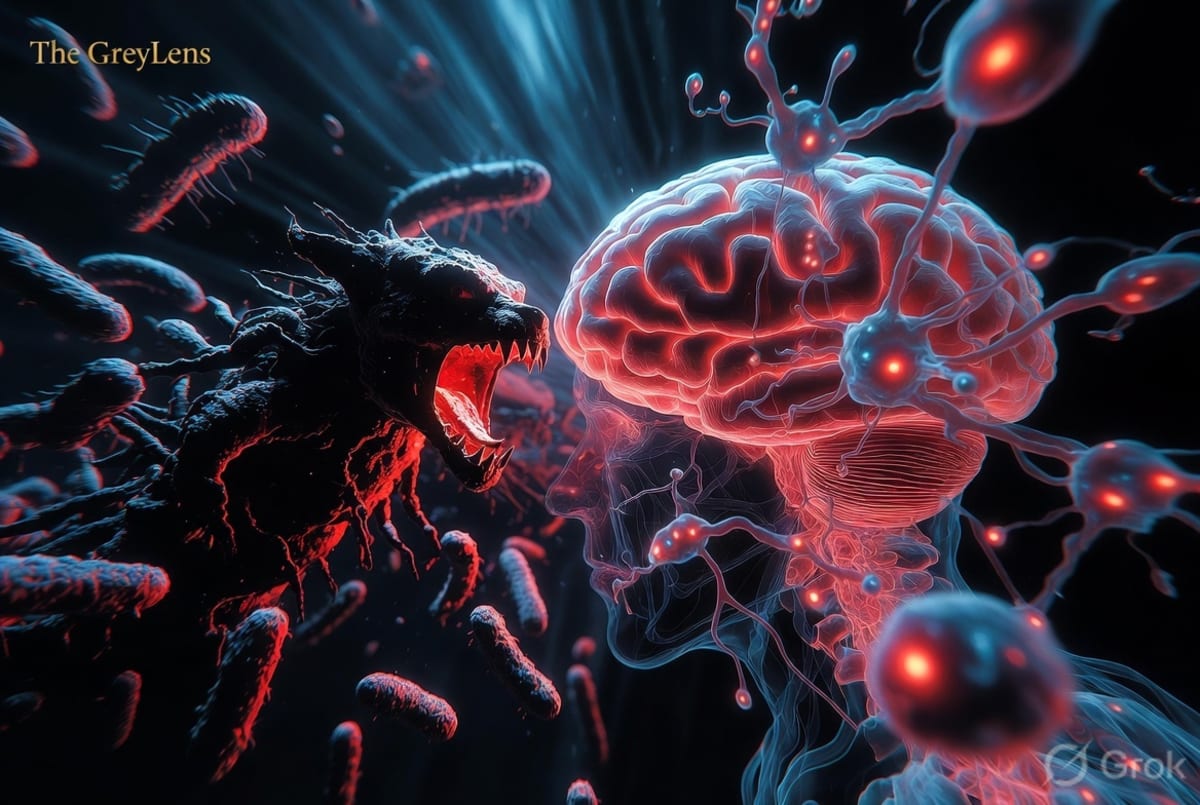
Recent scientific findings have illuminated a potential link between gut bacteria and the onset of debilitating neurological conditions such as Amyotrophic Lateral Sclerosis (ALS) and frontotemporal dementia. Published on April 9, 2026, the study reveals that specific sugars produced by microbes residing in the gut could be instigating immune responses that ultimately lead to brain damage.
This groundbreaking discovery offers a new perspective on the pathogenesis of these neurodegenerative diseases, which have long puzzled medical researchers. While the exact mechanisms are still under investigation, the study posits that these harmful sugars act as a trigger, prompting the body's immune system to attack healthy brain cells. This finding could help explain why certain individuals, even those without a known genetic predisposition, develop these devastating conditions.
The implications of this research are significant, potentially paving the way for novel diagnostic tools and therapeutic strategies. If the gut microbiome is indeed a key factor, interventions aimed at modulating its composition or neutralizing the harmful byproducts of specific bacteria could become a new frontier in treating ALS and frontotemporal dementia. This could involve dietary changes, targeted probiotics, or even medications designed to counteract the specific bacterial activity identified.
Further research is anticipated to delve deeper into the precise molecular pathways involved and to explore the therapeutic potential of microbiome-based interventions. The scientific community is hopeful that this discovery will lead to a better understanding of these complex diseases and ultimately offer new hope to patients and their families.