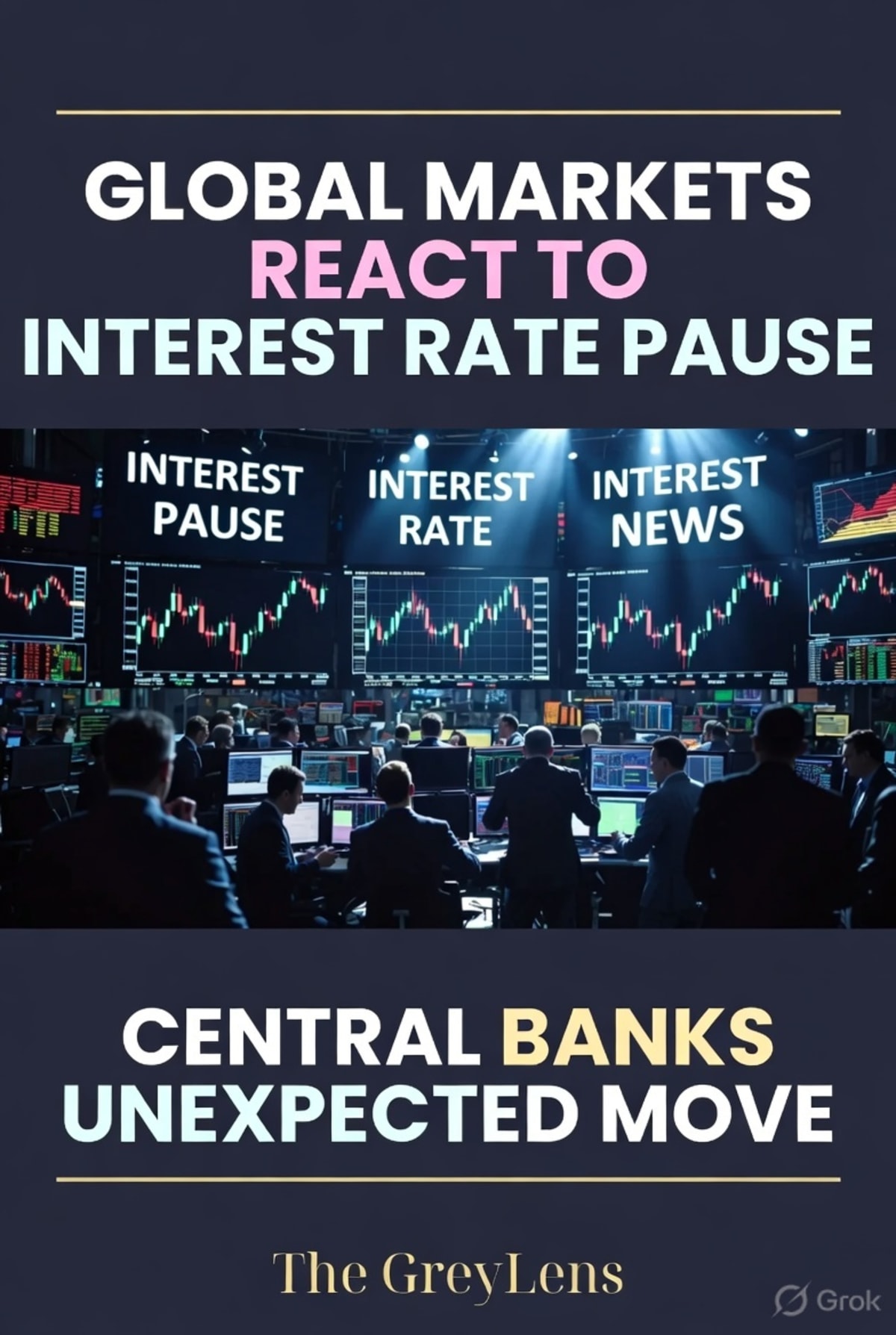
The global financial landscape experienced significant volatility today as leading central banks, including the U.S. Federal Reserve, the European Central Bank, and the Bank of England, collectively announced an immediate halt to their previously aggressive interest rate hiking cycles. This decision, detailed in simultaneous press releases this morning, marks a stark departure from the prevailing expectation of continued monetary tightening to combat persistent inflation. According to a report by Bloomberg, the move appears to be a preemptive measure to assess the cumulative impact of past rate increases on economic growth, which has shown signs of slowing in key regions.
The immediate aftermath saw a sharp rebound in equity markets, with major indices like the Dow Jones Industrial Average and the FTSE 100 experiencing significant gains. Bond yields also saw a notable decline as investors adjusted their portfolios to the new interest rate environment. However, currency markets displayed mixed reactions, with the U.S. dollar experiencing some weakness against a basket of major currencies. Economists, speaking to Reuters, highlighted the delicate balance central banks are attempting to strike between controlling inflation and averting a severe economic downturn. The long-term implications for inflation and economic growth remain a subject of intense debate among financial experts.
For young professionals and those with variable-rate debt, this pause could offer a much-needed respite from rising borrowing costs. However, it also introduces a new layer of uncertainty regarding future investment strategies and the trajectory of the economy. The decision underscores the complex challenges policymakers face in navigating a post-pandemic world characterized by supply chain disruptions, geopolitical tensions, and evolving inflation dynamics. Further statements from central bank officials are anticipated in the coming days, which will likely provide more clarity on the reasoning behind this synchronized policy shift and its potential long-term economic consequences.