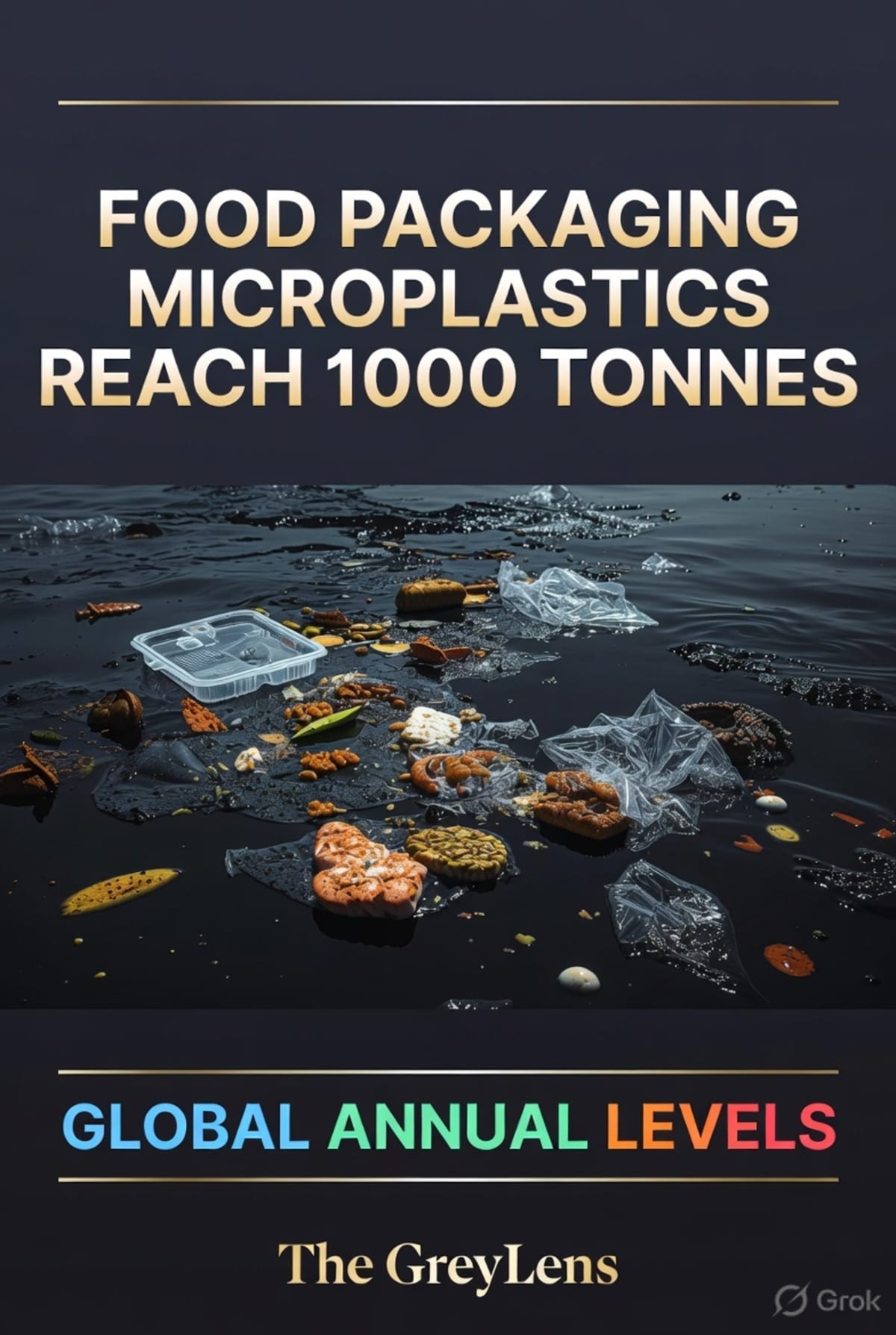
Global research has uncovered a significant and previously underestimated source of microplastic contamination: plastic food packaging. A new report, titled "From Pack to Plate," indicates that approximately 1,000 tonnes of microplastic particles are released into food and drinks annually from plastic packaging alone. This finding highlights a substantial exposure pathway for consumers worldwide.
The report, a collaboration between Earth Action and an unnamed partner, points to the pervasive use of plastics in food packaging as the primary driver of this contamination. While the exact mechanisms of microplastic release are still under investigation, it is understood that physical stress, heat, and the degradation of plastic materials contribute to the shedding of these tiny particles into the products they contain.
This revelation comes at a time when concerns about microplastic pollution are at an all-time high. Scientists have detected microplastics in various environments, from the deepest oceans to the highest mountains, and increasingly within the human body. The long-term health implications of ingesting microplastics are still being studied, but potential risks include inflammation, disruption of endocrine systems, and the transport of harmful chemicals.
Regulatory bodies and industry stakeholders are being urged to address this issue proactively. Potential solutions include the development and adoption of alternative, more sustainable packaging materials, as well as improved recycling and waste management practices. Consumers are also encouraged to be mindful of their plastic consumption and to support brands that are committed to reducing their plastic footprint.
Further research is needed to fully understand the extent of the problem and its impact on human health and the environment. However, the "From Pack to Plate" report serves as a critical wake-up call, emphasizing the urgent need for action to mitigate microplastic contamination from food packaging.