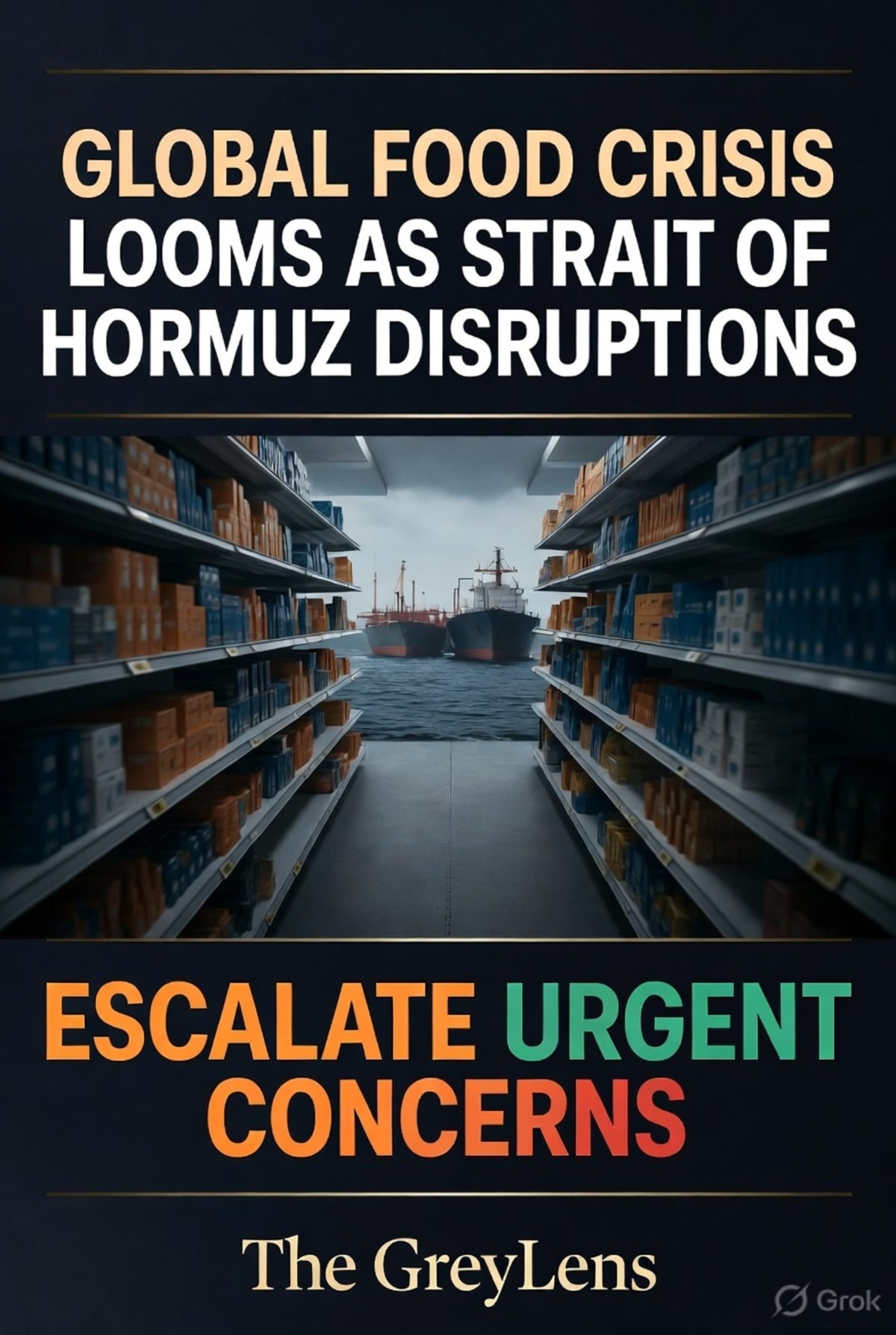
The global food system is facing unprecedented threats as disruptions in the Strait of Hormuz escalate, raising fears of a widespread food crisis. The United Nations has cautioned that the continued blockade of this critical shipping corridor, through which a significant percentage of vital agri-food inputs pass, could trigger a cascading crisis across global food systems. Experts warn that the situation is the most significant supply chain shock since the COVID-19 pandemic, with shipping costs surging and delivery delays becoming routine.
Marcia Brown, a food and agriculture expert, highlighted the multifaceted nature of the disruption, emphasizing that it extends beyond fertilizer shortages to include fuel, a crucial component for global food transportation. With Brent crude oil prices climbing above $100 per barrel, the cost of diesel has surged, directly increasing logistics expenses. This rise in transportation costs, coupled with increased prices for plastics and aluminum, is contributing to higher overall food prices.
Poorer countries are particularly exposed to these shocks due to their reliance on imported energy and fertilizers. As planting seasons commence, farmers in regions like sub-Saharan Africa and India face reduced or unavailable fertilizer supplies, threatening crop yields and prolonging food shortages. The World Food Program (WFP) estimates that if the conflict persists, an additional 45 million people could be pushed into acute hunger, bringing the global total to a record high.
Adding to these concerns, extreme heatwaves are further straining global food systems. A joint report by the Food and Agriculture Organization (FAO) and the World Meteorological Organization (WMO) indicates that farmers in regions such as India, south Asia, and sub-Saharan Africa could find it impossible to work safely for up to 250 days a year due to excessive heat. This, combined with rising livestock mortality rates and declining crop yields, further exacerbates the precarious state of global food production. The FAO has warned that a prolonged closure of the Strait of Hormuz could lead to a "global food catastrophe," especially impacting developing nations reliant on timely access to fertilizers and fuel.