Recent reporting indicates a significant global trend away from traditional "war on drugs" strategies and towards public health-focused approaches to addiction. Organizations like Reuters and The Guardian have highlighted governmental shifts in several countries that are prioritizing harm reduction services, such as supervised consumption sites and needle exchange programs, alongside expanded access to medication-assisted treatment. This recalibration stems from decades of data suggesting that punitive measures have historically failed to curb drug use or overdose deaths, while often exacerbating social inequalities and straining criminal justice resources. The focus is now on saving lives and reducing the transmission of infectious diseases associated with drug use, such as HIV and hepatitis C. For young professionals, this means a potential reduction in the stigma associated with seeking help for substance use disorders, and a healthcare system better equipped to offer support without immediate legal repercussions. The economic impact is also a growing consideration, with analysts pointing to the long-term costs of incarceration and healthcare for untreated addiction versus the more cost-effective investment in prevention and treatment infrastructure. Furthermore, there is a growing recognition among policymakers and public health officials that addiction is a complex health condition influenced by a multitude of factors, including mental health, socioeconomic status, and trauma. This understanding is driving a demand for integrated care models that address the whole person, rather than focusing solely on substance use. The shift represents a complex interplay of evolving scientific understanding, advocacy from public health and civil liberties groups, and a pragmatic reassessment of policy effectiveness. The human impact is profound, offering a renewed sense of hope and a more compassionate pathway to recovery for individuals and communities grappling with the devastating consequences of drug addiction.
Lifestyle
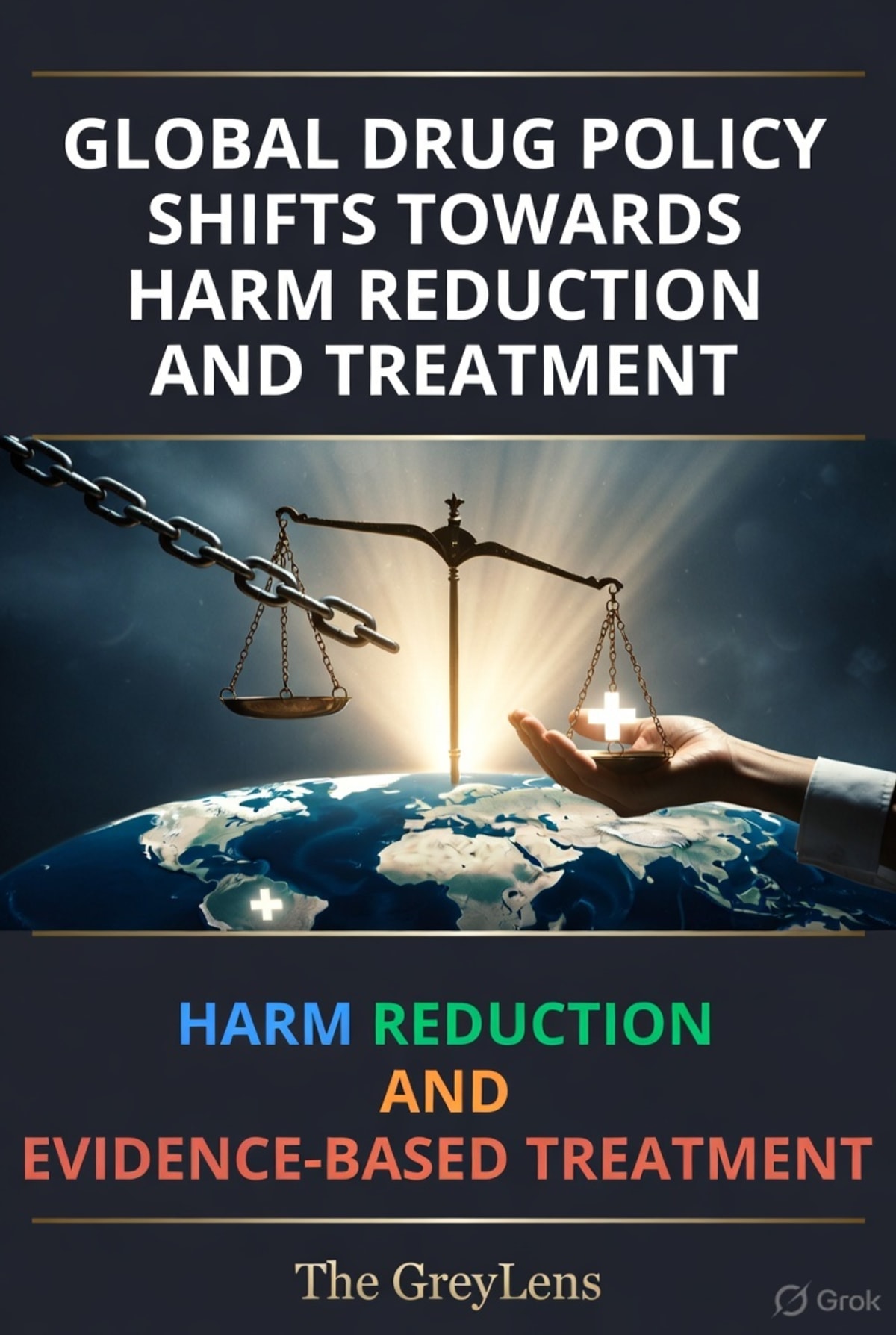
Global Drug Policy Shifts Towards Harm Reduction and Treatment, Analysts Observe
International drug policy is increasingly emphasizing harm reduction and evidence-based treatment over punitive measures, according to recent analyses from leading news organizations. This evolving approach aims to address addiction as a public health issue, with potential implications for criminal justice systems and healthcare access worldwide.
Report an error/suggestion: news@thegreylens.com