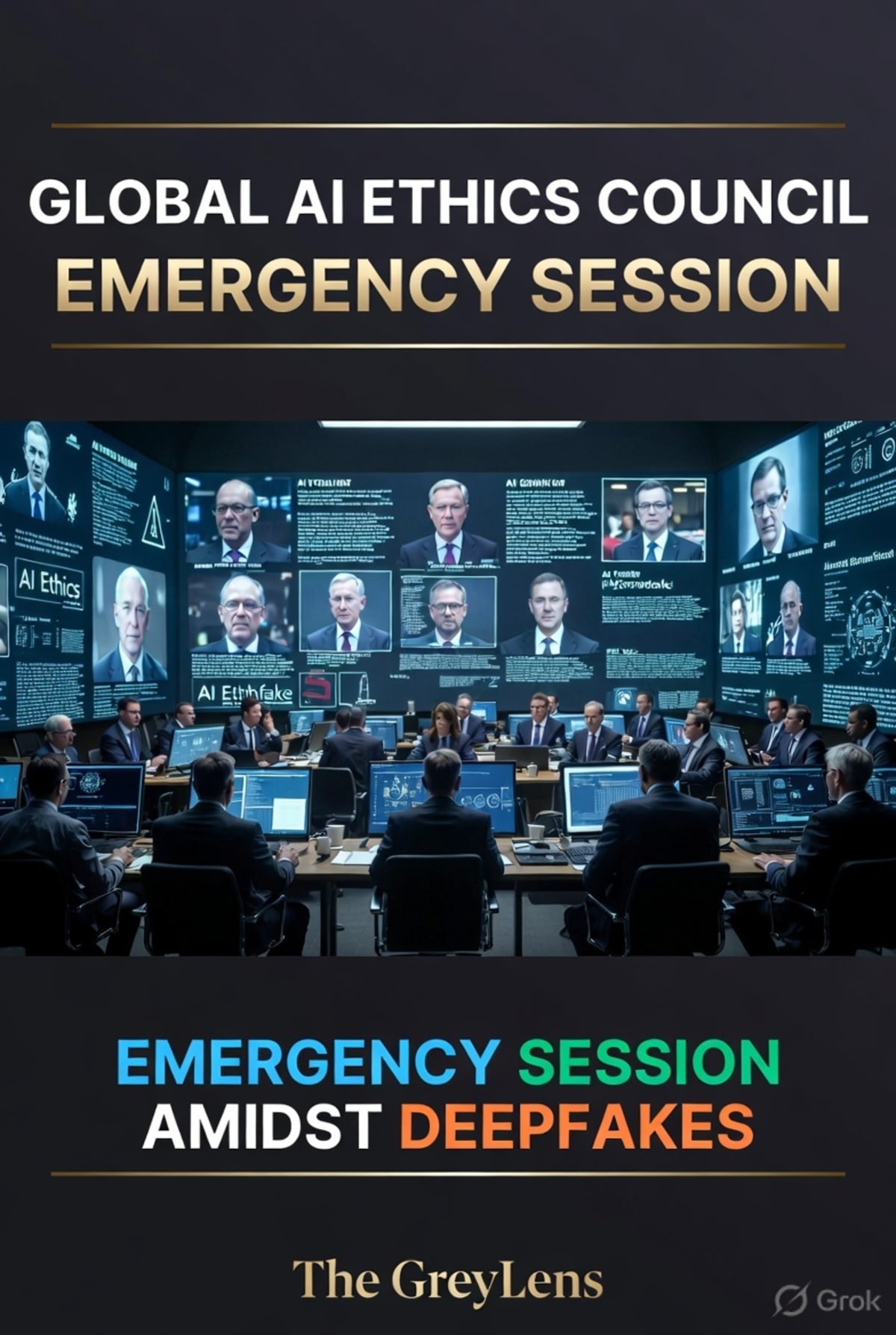
The Global AI Ethics Council held an urgent virtual summit today, Sunday, April 26, 2026, bringing together government officials, leading AI researchers, and representatives from major technology firms to confront the growing menace of deepfake technology in electoral politics. The emergency session was convened following intelligence reports and preliminary findings from several international news agencies, including Reuters, indicating a coordinated surge in the use of highly realistic AI-generated videos and audio clips designed to mislead voters and discredit candidates in key upcoming elections.
During the summit, participants deliberated on the urgent need for robust, internationally standardized methods for identifying and flagging AI-generated content. Experts presented case studies from recent regional elections where subtle yet impactful deepfakes were deployed, demonstrating how these fabricated media could sow discord and undermine public trust in legitimate news sources. The council emphasized that the speed and sophistication of current AI tools make manual detection increasingly challenging, necessitating a combination of advanced technological solutions and stringent policy frameworks. Discussions also touched upon the ethical responsibilities of social media platforms and AI developers in preventing the malicious use of their technologies, with calls for greater transparency in AI model development and deployment.
According to Bloomberg, the council explored potential collaborative initiatives, such as establishing a global 'deepfake rapid response team' comprising cybersecurity experts and AI specialists from various nations. This team would aim to share threat intelligence and develop countermeasures in near real-time. Furthermore, the attendees discussed the legal and ethical implications of attributing responsibility for AI-driven disinformation campaigns, particularly when the origins are obscured by sophisticated anonymization techniques. The overarching goal is to foster a more resilient information ecosystem that can better withstand the pressures of advanced AI manipulation and safeguard the integrity of democratic discourse on a global scale.