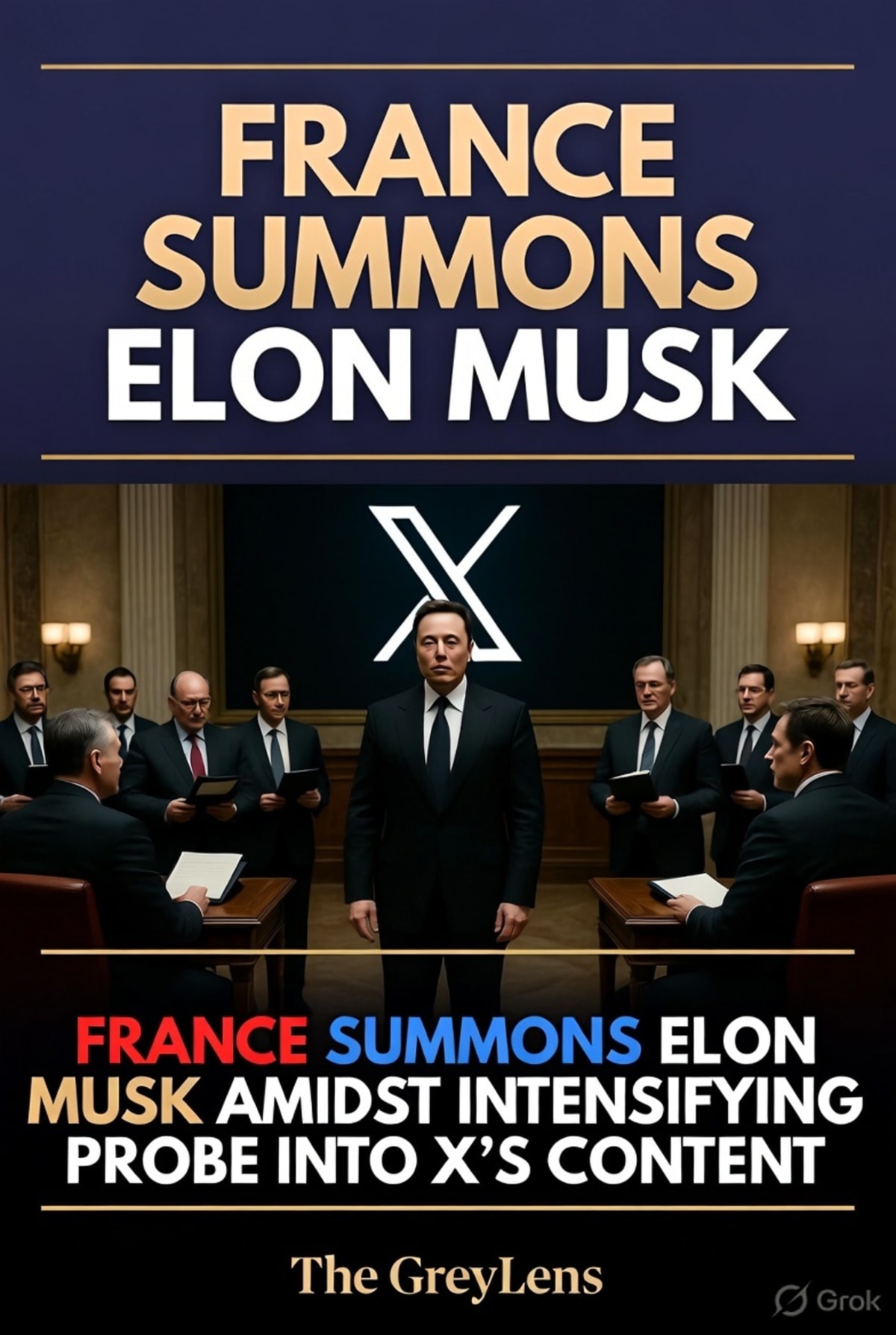
French digital minister Jean-Noël Barrot confirmed that Elon Musk has been summoned to France for discussions concerning X's compliance with the EU's Digital Services Act (DSA). The probe, initiated by the French regulator Arcom, focuses on allegations that X has failed to adequately remove illegal content, including hate speech and disinformation, from its platform. This move by France signals a growing determination among European nations to hold major tech platforms accountable for the content they host and disseminate, with the DSA providing a robust legal framework for such actions. Arcom's investigation is reportedly examining X's algorithms, its content moderation processes, and its transparency in handling user complaints, with potential sanctions looming if the platform is found to be in breach of regulations.
According to reports from Reuters, the French government is particularly concerned about the spread of harmful content on X, especially in the lead-up to significant political events. The summons of Musk himself underscores the seriousness with which French authorities view the situation, aiming to secure direct commitments from the platform's owner regarding its future conduct. This action is not isolated, as other EU member states are also scrutinizing X and other social media giants under the DSA, which came into full effect in February 2024. The law mandates that large online platforms implement stricter measures to combat illegal content, protect user data, and ensure algorithmic transparency.
The potential repercussions for X if found non-compliant could be substantial, ranging from significant fines to temporary suspension of services within the EU. The platform has faced criticism globally for changes implemented since Musk's acquisition, including staff reductions in content moderation teams and alterations to verification processes, which critics argue have weakened its ability to police harmful content effectively. The outcome of France's probe, and similar investigations across Europe, will likely set important precedents for the regulation of social media platforms and their responsibilities in safeguarding online discourse for millions of users.