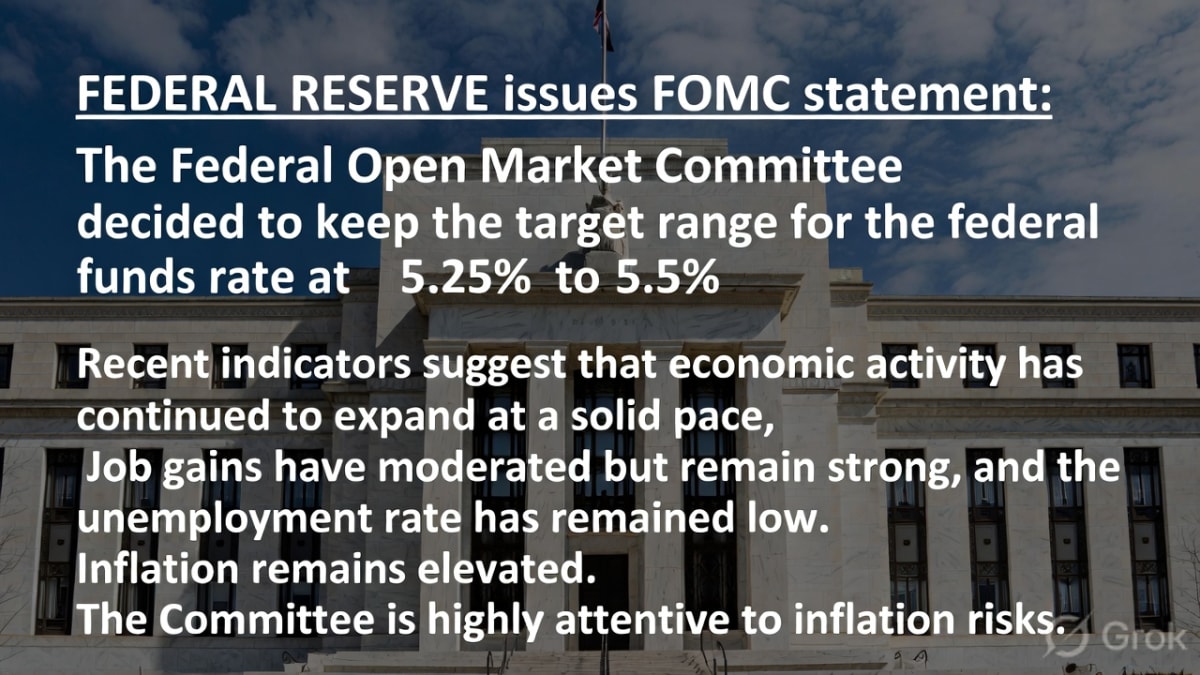
The Federal Reserve concluded its March 18th policy meeting by holding its benchmark federal funds rate steady within the 3.50% to 3.75% target range, a decision driven by ongoing concerns about inflation and a heightened level of economic uncertainty. Policymakers acknowledged that while economic activity continues to expand at a solid pace and job gains have remained low with the unemployment rate largely stable, inflation remains somewhat elevated. This cautious stance is further influenced by the unpredictable implications of recent developments in the Middle East, which have introduced new complexities into the economic outlook, particularly concerning energy prices.
Fed Chair Jerome Powell highlighted the economy's exposure to an "energy shock of some size and duration," emphasizing that the ultimate impact on inflation and growth remains contingent on how geopolitical events unfold. This uncertainty is a key factor in the Federal Open Market Committee's (FOMC) decision to pause rate adjustments. Although inflation has significantly retreated from its 2022 highs, progress toward the Fed's 2% target may be hindered by rising energy costs. Projections from the Fed still indicate a single interest rate cut anticipated for 2026, a sentiment echoed by market pricing, though a range of potential outcomes remains on the table.
The latest economic data suggests a nuanced picture. While the Producer Price Index saw a year-over-year increase of 3.4% in February, the fastest pace since February 2025, indicating renewed cost pressures earlier in the supply chain, other indicators show a cooling labor market. For instance, U.S. wage growth slowed in March, and while the unemployment rate fell to 4.3%, nonfarm payrolls rose to 178,000, the highest since December 2024. These mixed signals contribute to the Fed's wait-and-see approach, as they seek more definitive evidence of sustained disinflationary trends before considering policy easing.
Looking ahead, the Federal Reserve's path forward will likely be shaped by incoming inflation data, particularly the impact of energy prices, and the ongoing geopolitical situation. The minutes from the most recent Fed meeting, due to be released, will be scrutinized for further signals regarding the potential for future rate adjustments. While market participants currently anticipate stable rates in the near term, with a modest probability of a rate reduction by the end of 2026, the central bank's commitment to price stability remains paramount. Any significant shifts in inflation dynamics or geopolitical stability could alter the trajectory of monetary policy, potentially influencing borrowing costs and overall financial conditions for consumers and businesses alike.
---
⚠️ This article used AI assistance. Please verify facts independently.