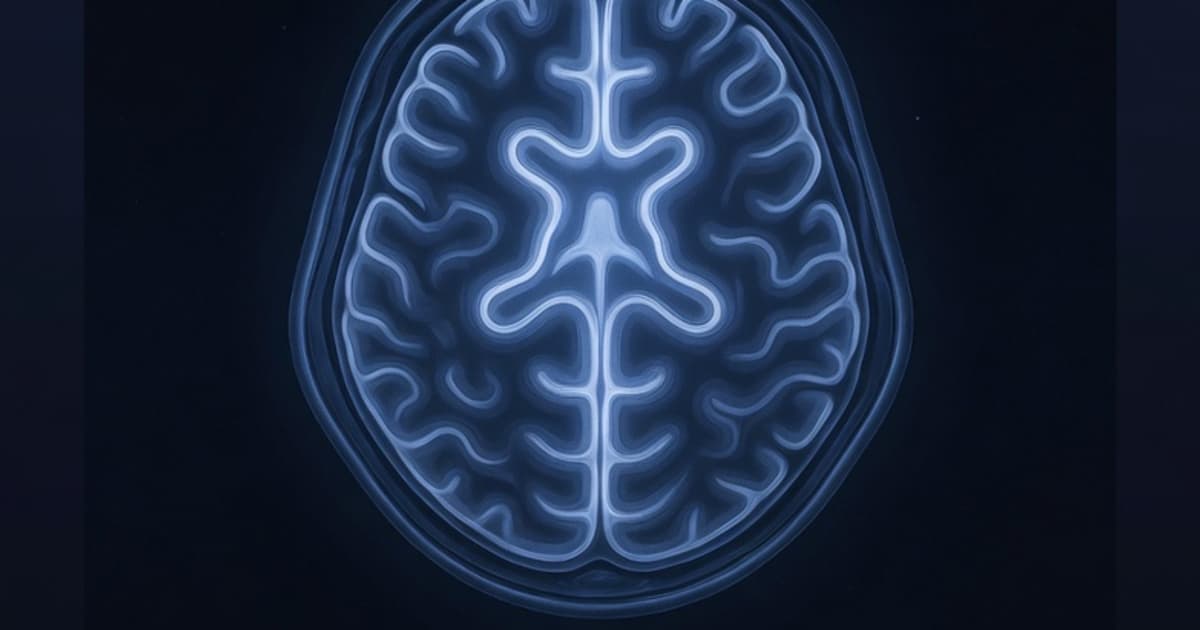
Scientists have discovered that babies as young as two months old possess a more sophisticated ability to perceive and categorize the world around them than previously understood. New research, published in the prestigious journal Nature Neuroscience, utilized advanced functional magnetic resonance imaging (fMRI) to observe brain activity in infants, suggesting a far earlier development of cognitive distinctions than earlier studies indicated.
Infants' Early World Perception
The study, which involved 130 two-month-old infants, monitored their brain responses as they were shown images from various common categories, such as animals and trees. Researchers observed distinct patterns of brain activity, or "firings," when infants viewed different types of objects. For instance, the brain activity differed when a baby looked at an image of a cat compared to an inanimate object. This differentiation in neural response suggests that even at this very young age, infants are actively processing and making sense of the visual information they encounter, distinguishing between living things and man-made objects.
Lead author Cliona O'Doherty stated that these findings indicate "infants are interacting with the world in a lot more complex of a way than we might imagine." This challenges the long-held assumption that such complex cognitive processing develops much later in infancy. Previous research often relied on observational methods, such as tracking how long an infant looked at an object, which can be less precise, especially with very young babies. The fMRI technique allowed for a more detailed examination of visual function, providing a clearer picture of cognitive processes at play.
Advancing Understanding of Infant Cognition
While some prior studies suggested that infants around three to four months of age could differentiate between broad categories like animals and furniture, this new research pushes that timeline back significantly. The study also followed a subset of the infants to nine months, observing that their brains showed an even stronger distinction between living and inanimate objects, indicating a developmental progression in these perceptual abilities. The implications of this research are substantial for pediatricians, developmental psychologists, and parents, offering a deeper understanding of the foundational stages of cognitive development. It may also pave the way for earlier identification of developmental delays or unique cognitive strengths in infants.
The research team acknowledges the inherent challenges in conducting brain imaging studies with very young children, noting the need for infants to remain still and awake within the fMRI scanner. However, the study's design and the number of participants are considered by independent experts, such as neuroscientist Liuba Papeo, to be "impressive and unique," lending significant weight to its conclusions. The ability to accurately measure these early cognitive functions could eventually allow scientists to correlate brain imaging data with long-term cognitive outcomes, providing invaluable insights into child development throughout the lifespan.