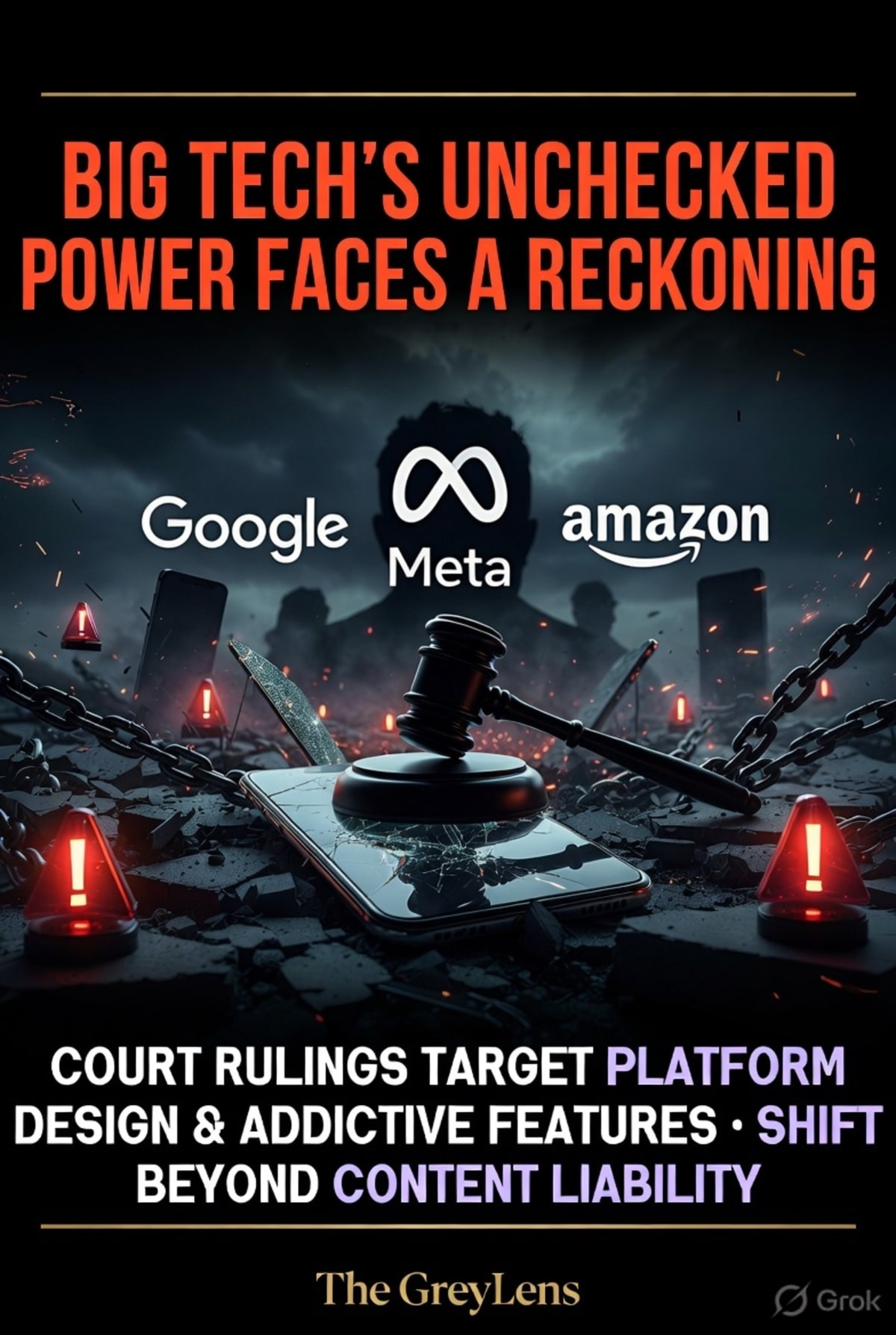
The era of unquestioned dominance for big tech may be drawing to a close, as landmark legal victories are beginning to hold social media companies accountable for the harm their platforms inflict. Recent weeks have seen significant rulings against giants like Meta and Google, shifting the legal landscape from merely addressing user-generated content to scrutinizing the very design and algorithms that power these platforms. This pivot in legal strategy, focusing on product liability rather than content, is a critical development that could fundamentally alter the relationship between users and the digital spaces they inhabit.
A key element of this emerging accountability is the focus on addictive design features. Lawsuits, such as the one that led to Meta and YouTube being found liable for designing addictive products used by young people, are directly challenging the business models that prioritize user engagement and profit above all else. Internal documents have reportedly revealed that companies were aware of the potential harms caused by features like infinite scroll, autoplay, and targeted notifications, deliberately using them to keep users, especially minors, hooked. This approach has been likened to the tactics used by the tobacco industry, suggesting a deliberate design to foster dependency, leading to issues like depression, anxiety, and body image concerns among young users.
The legal victories are not just about financial penalties, though a $375 million order against Meta in New Mexico and a $6 million award in California are significant. More importantly, these cases are setting precedents by challenging the long-standing protections afforded by Section 230 of the Communications Decency Act. By focusing on the platform's design and algorithms as the cause of harm, rather than the content posted by users, legal arguments are bypassing these shields. This opens the door for thousands of similar lawsuits from individuals, school districts, and state attorneys general, potentially leading to crippling damages and forcing companies to fundamentally redesign their platforms.
The implications extend beyond individual lawsuits. These verdicts could spur regulatory changes, compelling governments worldwide to implement stricter controls on social media companies. We are already seeing a global trend towards increased data privacy regulations, with frameworks like the EU's GDPR setting benchmarks. As children's privacy and safety become a primary focus, and with the rise of AI further complicating data usage, the pressure on big tech to adopt more ethical and transparent practices is mounting. The coming years will likely see a reevaluation of how these platforms operate, with a greater emphasis on user well-being and data protection, marking a potential turning point in the digital age.
---
⚠️ This article used AI assistance. Please verify facts independently.