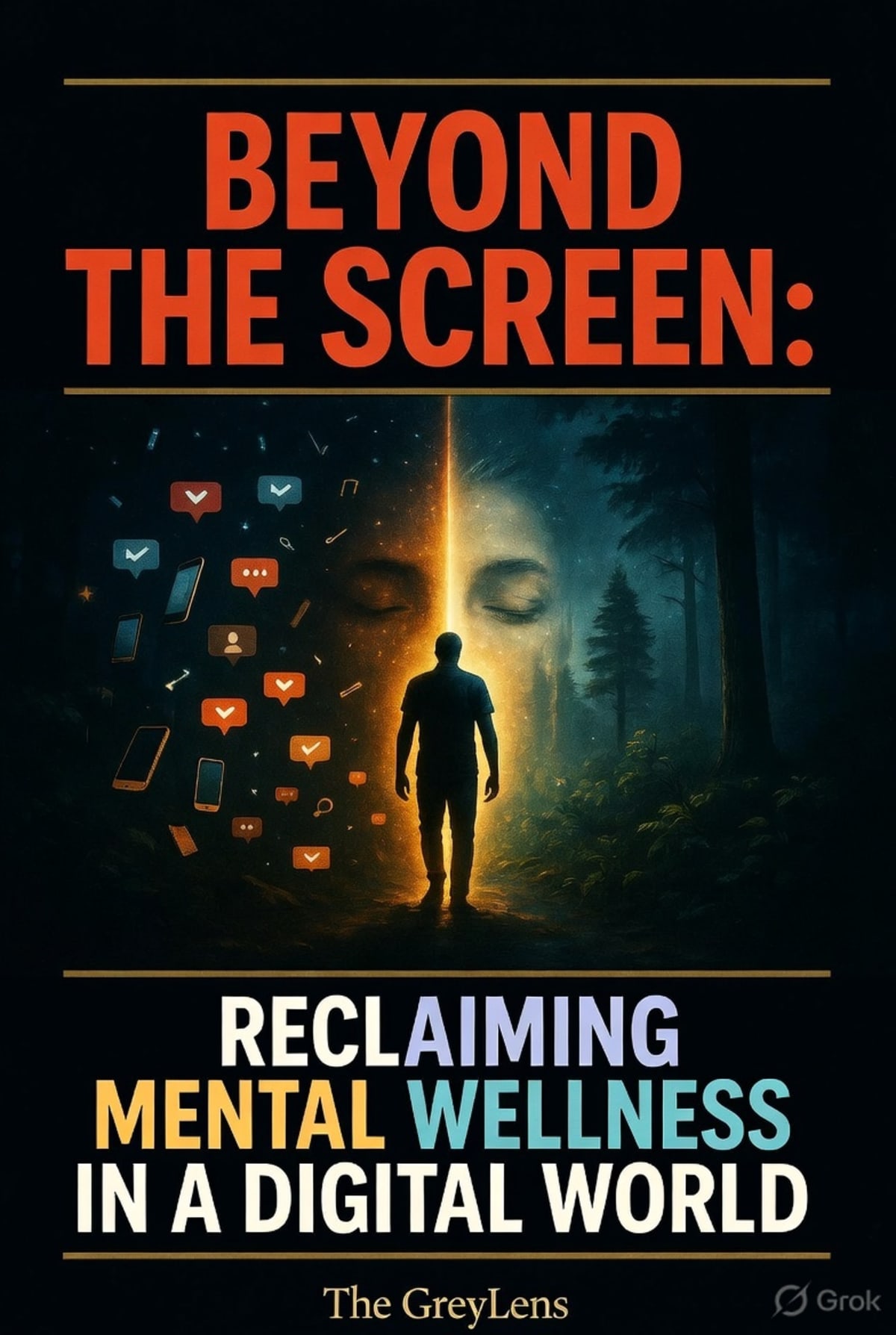
In an era where screens are ubiquitous, the conversation around mental health and screen time has evolved beyond simple hour counts. While the average American now spends over seven hours daily on devices, the focus is shifting from mere duration to the *quality* and *context* of our digital interactions. Research consistently links excessive screen use, particularly passive scrolling and social media consumption, to heightened risks of anxiety, depression, and loneliness. This constant digital stimulation can elevate stress, disrupt crucial sleep patterns by interfering with melatonin production, and diminish attention spans. The blue light emitted from screens is a significant culprit, directly impacting our ability to achieve restful sleep, which in turn fuels emotional instability and cognitive difficulties.
However, the narrative isn't entirely bleak. Technology itself is also offering solutions. A growing trend involves