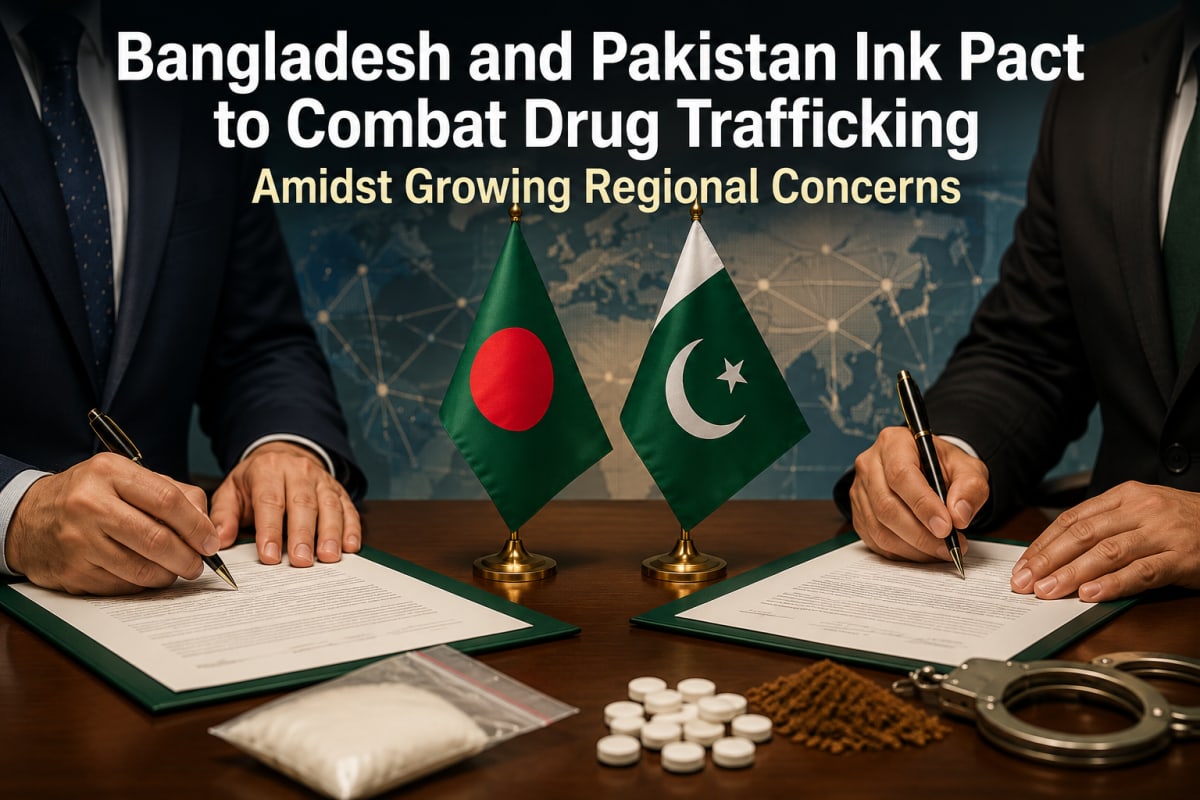
Dhaka, Bangladesh – May 9, 2026 – In a move to address escalating regional drug trafficking challenges, Bangladesh and Pakistan have formalized a significant bilateral agreement aimed at strengthening their cooperative efforts. The pact, signed today in Dhaka, outlines enhanced intelligence sharing and joint strategies between the anti-narcotics agencies of both countries.
A United Front Against Narcotics
The agreement was finalized during a meeting between Pakistan's Interior Minister Mohsin Naqvi and his Bangladeshi counterpart, Salahuddin Ahmed. According to a statement released by the Pakistani interior ministry, the two nations have pledged comprehensive cooperation to thwart the illegal transportation and smuggling of drugs. A key component of the agreement is the formulation of a joint strategy designed to dismantle drug networks and disrupt supply lines.
Joint Working Group to Spearhead Collaboration
To ensure sustained and effective collaboration, both ministers agreed to establish a joint working group comprising members from the interior ministries of Bangladesh and Pakistan. This dedicated group is expected to facilitate regular communication and coordinated action against the persistent threat of drug trafficking that affects both countries and the wider region. The agreement signifies a proactive approach to a problem that transcends borders and requires a concerted, unified response.
Broader Regional Implications
This bilateral initiative comes at a time of heightened awareness regarding drug trafficking routes and their devastating impact. While the agreement specifically targets cooperation between Bangladesh and Pakistan, it underscores a growing regional understanding of the need for robust anti-narcotics measures. The pact is expected to contribute to greater stability and security in South Asia by curbing the illicit drug trade, which often fuels other criminal activities.
The commitment to closer intelligence sharing is particularly crucial, as it allows law enforcement agencies to gain a more comprehensive understanding of trafficking patterns, key players, and transit points. This enhanced visibility is vital for dismantling organized criminal networks effectively. The joint strategy will focus on identifying and disrupting the illegal sale and distribution of narcotics, aiming to cut off the flow of drugs at various stages of the supply chain. The coming weeks and months will reveal the initial steps taken by the newly formed joint working group as they begin to implement the provisions of this important agreement.