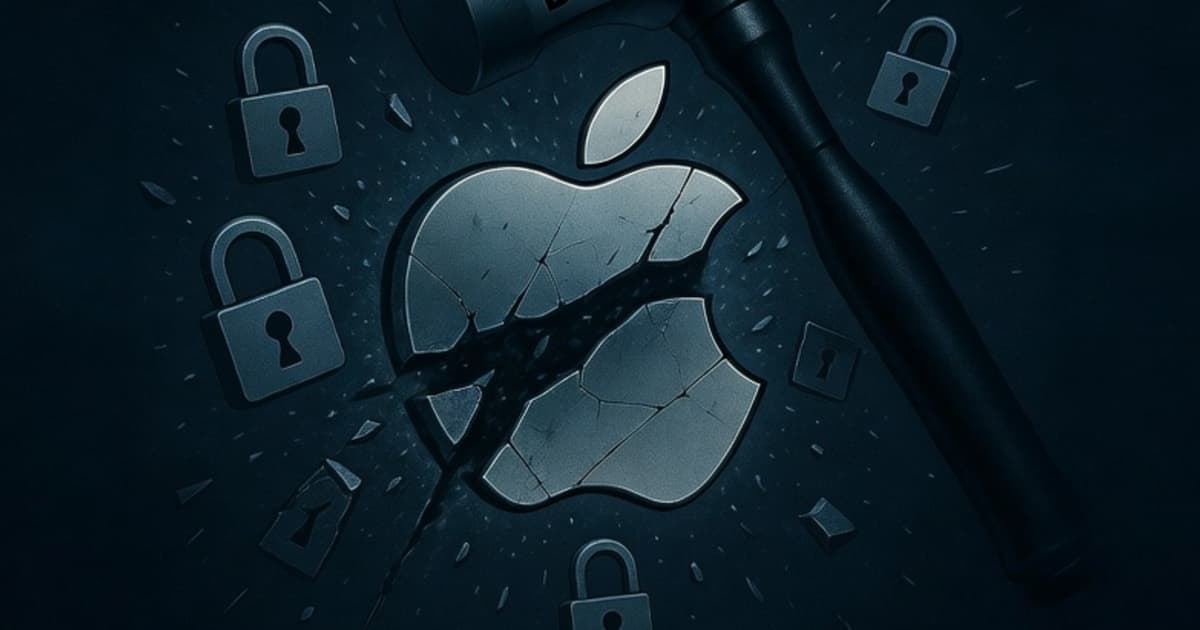
TORONTO – Apple has issued a strong warning against key aspects of Canada's proposed lawful access legislation, Bill C-22, asserting that the bill, in its current form, could compel the company to undermine the encryption and privacy protections built into its devices and services. The iPhone maker stated its firm opposition to any measures that would compromise user data security, emphasizing its commitment to privacy as a fundamental human right.
Encryption Backdoors and Privacy Red Flags
Apple's primary concerns are focused on Part 2 of Bill C-22, known as the Supporting Authorized Access to Information Act (SAAIA). The company highlighted that this section could potentially allow the Canadian federal government to secretly mandate the weakening of encryption or the creation of "backdoors" into secure systems. Apple argues that such a move would not only weaken security for all users but also introduce new vulnerabilities that could be exploited by malicious actors.
In a statement released on May 6, 2026, Apple reiterated its stance, "Apple believes privacy is a fundamental human right. It's one of our core values, which is why we design our products from the ground up to protect..." The company indicated it would continue to advocate against legislative proposals that put personal data at risk.
Impact on Digital Security and User Trust
The lawful access bill aims to update Canada's legal frameworks for accessing digital information relevant to criminal investigations and national security. However, many of its components have raised alarms among privacy advocates and technology experts, particularly concerning the potential erosion of individual privacy. Apple's intervention underscores the delicate balance between law enforcement needs and the imperative to maintain robust digital security for all citizens. The company's global stance on encryption has often placed it at odds with governments seeking greater access to user data, but its proactive engagement with Canadian lawmakers signals the significant implications of Bill C-22 for the tech industry and its users.
This development comes amidst a period of heightened scrutiny on technology companies regarding data privacy and security. Earlier in the week, Apple also agreed to a US$250 million settlement in the United States to resolve a class-action lawsuit concerning claims of misleading advertising about its AI capabilities for Siri. While distinct from the Canadian legislative concerns, this settlement highlights the ongoing complex landscape Apple navigates concerning its product features and user trust.
Navigating the Legislative Labyrinth
As Bill C-22 moves through committee hearings, Apple's vocal opposition is expected to influence the ongoing debate. The company's technical expertise and its significant user base in Canada lend considerable weight to its arguments. The broader implications for Canada's digital economy and its reputation as a secure environment for technology innovation will likely be a key consideration for lawmakers. The government faces the challenge of updating its legal tools for law enforcement while ensuring that new legislation does not inadvertently create widespread security vulnerabilities or erode public trust in digital services. The coming weeks will be critical in determining the final shape of Bill C-22 and its impact on the digital rights of Canadians.