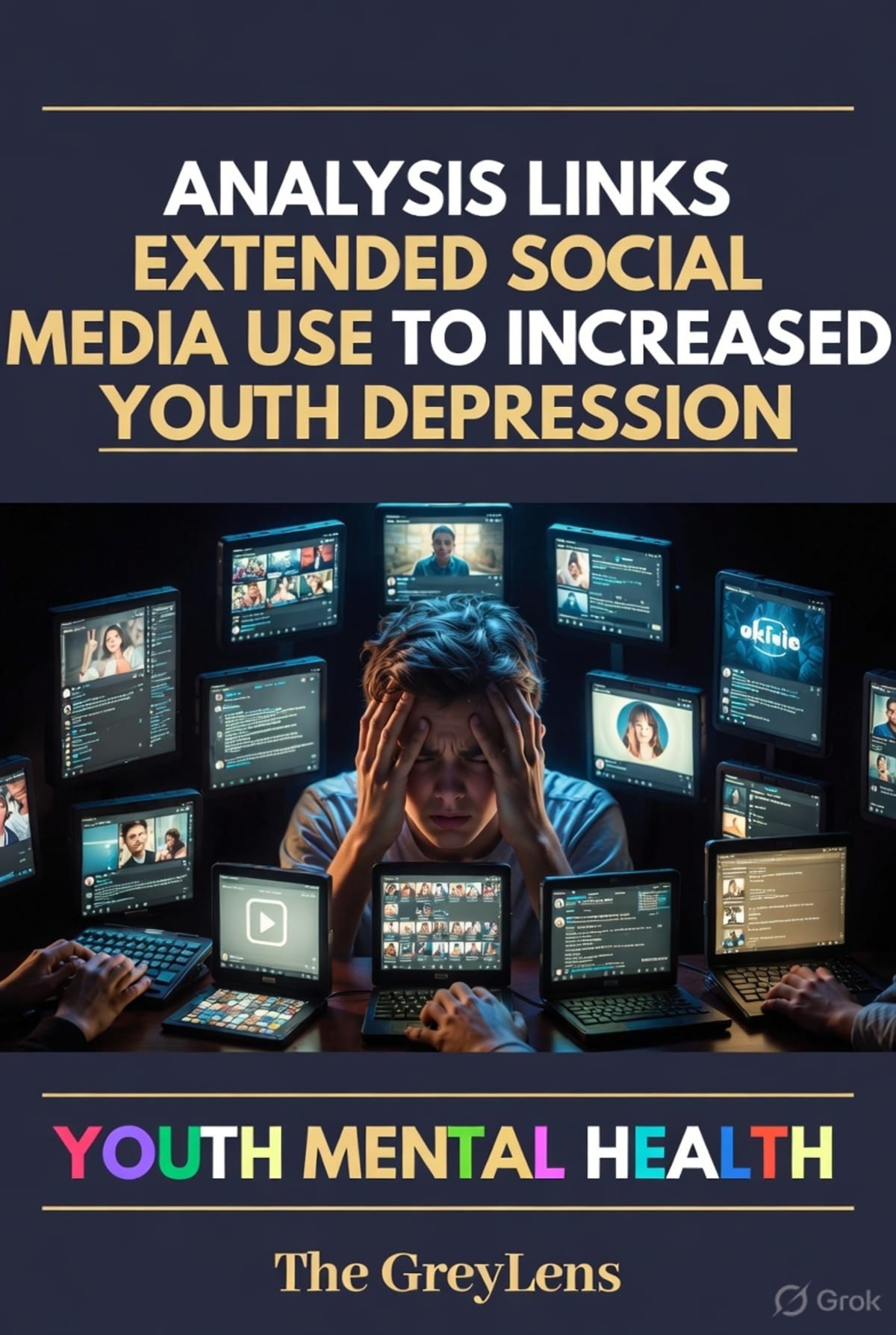
Extensive research over the past few years, including a massive review of longitudinal data encompassing hundreds of thousands of participants globally, consistently links social media use to poorer developmental outcomes in children and adolescents. While some digital activities like video gaming may offer minor cognitive benefits, the overarching trend indicates that heavy engagement with social media correlates with increased depression, anxiety, behavioral issues, and even self-injurious thoughts. This association has been observed across various age groups, with studies noting that the links between social media and depression are stronger in early adolescence than in school-aged children. A significant body of evidence also suggests that these negative impacts are more pronounced for girls, who are more likely than boys to report that social media has harmed their mental health, confidence, and sleep.
The potential causal pathways are being actively investigated, with disrupted sleep emerging as a primary mediating factor. Research from Imperial College London, analyzing data from over 2,300 children, found that more than three hours of daily social media use was associated with greater severity of depressive and anxiety symptoms by adolescence. This link appears to be largely driven by sustained disruptions to sleep, particularly on school nights, as social media use, especially in the evenings, reduces sleep duration and quality. While some studies suggest that the amount of time spent on social media alone may not be the sole determinant, the pattern linked with excessive use and its impact on sleep hygiene is a growing concern.
Parents are increasingly vocal about their concerns, with many identifying social media as a significant negative influence on their children's mental health. While social media can offer avenues for connection, support, and self-expression for some, the prevailing evidence points towards an elevated risk for negative mental health outcomes with excessive or problematic use. The evolving nature of digital platforms necessitates ongoing research, but the current consensus highlights the importance of promoting moderate usage, improving sleep hygiene, and fostering a balanced digital life for young individuals to mitigate these risks. The findings underscore a critical public health issue relevant to young professionals and their families, emphasizing the need for informed strategies to navigate the digital landscape safely.