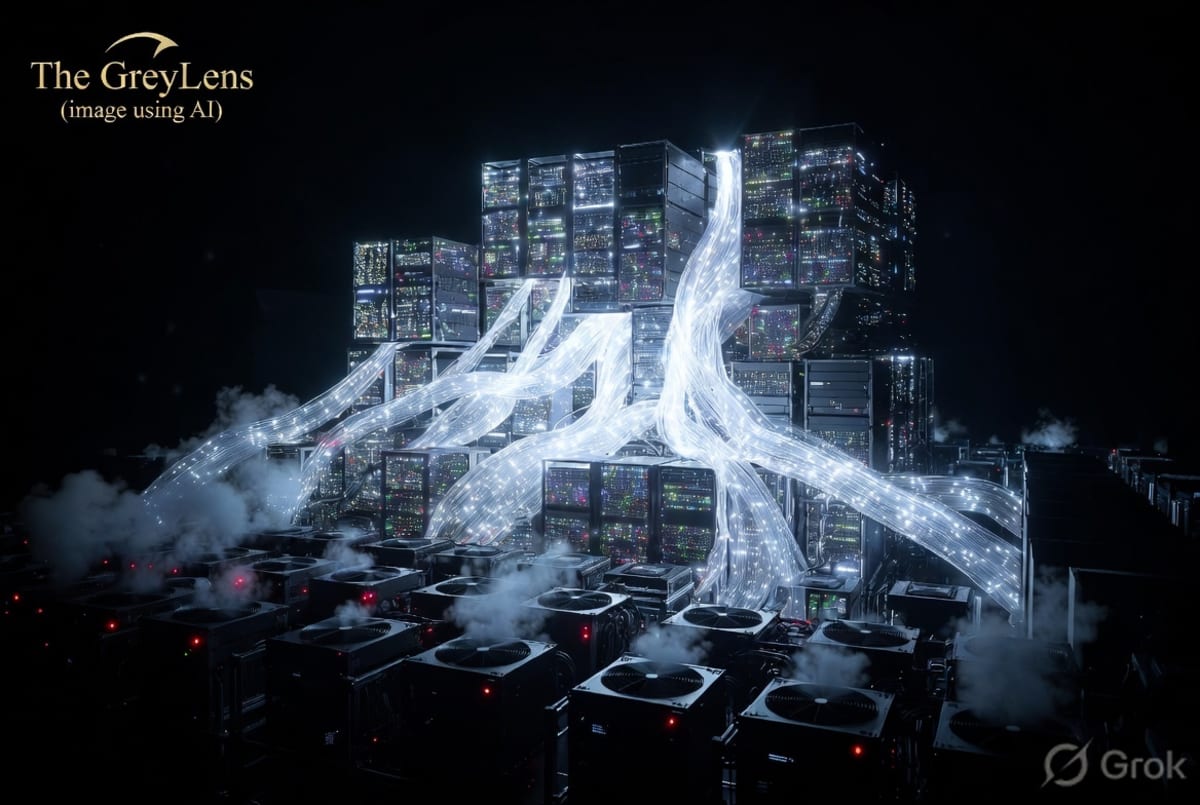
The artificial intelligence revolution, while undeniably exhilarating, is careening towards a significant infrastructural roadblock. As AI models become more sophisticated and their applications proliferate, the demand for computational power is skyrocketing. This insatiable hunger for processing capability is placing an unprecedented strain on data centers, pushing them to their absolute limits and beyond. The stark reality is that the rapid growth of AI workloads is driving demand for computing power, storage, and connectivity to such an extent that vacant capacity in major data center markets is already below three percent, with some regions effectively sold out until 2027. This scarcity translates into lengthy waiting periods, with organizations facing 18 to 24-month delays for essential capacity. The strain is not just on available space, but also on the utilities struggling to provide the megawatts needed to power these facilities, as AI workloads consume significantly more energy than traditional computing tasks. This "data center bottleneck" is not merely an operational inconvenience; it represents a fundamental challenge to the continued acceleration of AI development and deployment. The industry is facing a critical juncture where the pace of innovation in AI is outpacing the ability to scale the necessary physical infrastructure. This has profound implications for businesses aiming to leverage AI for competitive advantage, as well as for the broader economic and societal transformations promised by this technology. The implications are far-reaching, potentially slowing down the rollout of new AI-powered services, impacting the training of increasingly complex models, and even affecting the accessibility of AI tools for smaller organizations and researchers. Addressing this bottleneck will require a multi-faceted approach, including innovative solutions for energy efficiency, advancements in cooling technologies, and potentially a re-evaluation of how and where AI computation occurs. Without significant investment and strategic planning, the very engine of our digital future risks grinding to a halt, hampered by its own success.
IT
AI's Data Bottleneck: The Looming Crisis in the Age of Intelligence
The relentless advancement of AI is colliding with a critical infrastructure ceiling: data center capacity. This bottleneck threatens to impede the very progress it fuels.
Report an error/suggestion: news@thegreylens.com